.svg)
From Coffee Houses to Creative Teams: How Innovation Really Emerges
.svg)
.webp)
.svg)
Looking back through history at the coffee houses of the 1650s, to the Parisian salons of modernism, or the Bauhaus workshops — each of these movements created spaces where ideas could mingle and swap and create new forms (Johnson, 2020).
As an innovation leader you’ll want to set the scene for a creative environment, so what ingredients come together to create the perfect creative storm?
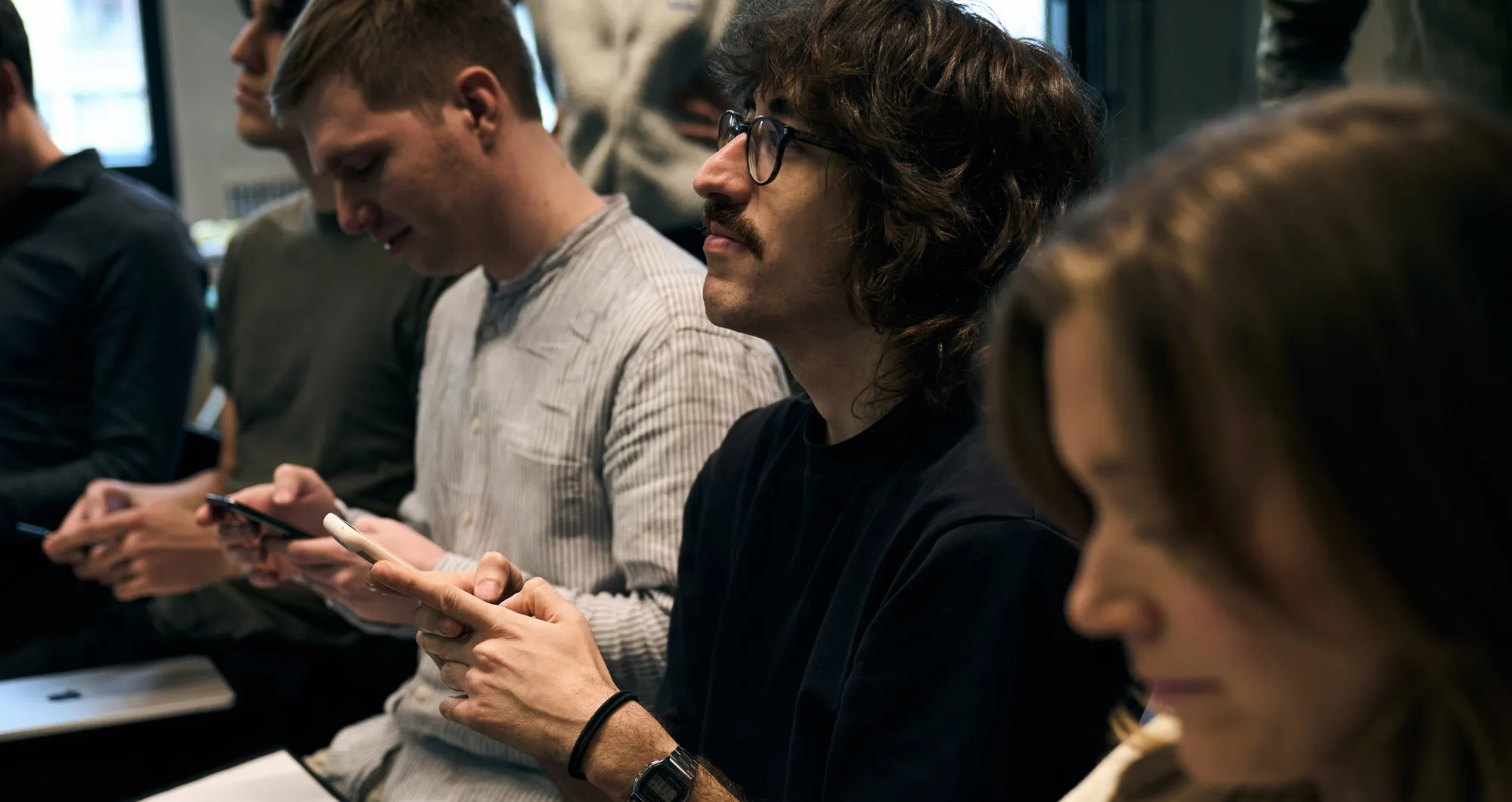
Studies suggest a higher degree of creativity and information processing in heterogeneous teams; bringing diversity of thought, perspectives and backgrounds allows each team member to be an “expert” in a different role. However, such teams may find it difficult to communicate and understand others' ideas and information. As a 2019 article from InVision explains, “the team that’s best-equipped to tackle creative challenges is one built from individuals who are comfortable being their true selves at work, are able to safely let down their barriers and less afraid of potential failure. Without expending energy on those fears and discomforts, they are more open to innovative thinking”. It is the leader’s responsibility to facilitate a working environment in which diversity is celebrated and managed in a way that employees can feel a sense of belonging and authenticity at work.
The opportunity to work flexibly allows employees to find their most productive and creative rhythms. Giving team members the autonomy and freedom to choose when and how the work will enhance their individual creativity, but this inevitably impacts the shared time the team spends together.
Reflective team time, out of daily business, is absolutely crucial in order to connect and recalibrate your team. Whether you are coming together in a retrospective to celebrate success and learn and from failures, or you’re looking at new immersive technologies to give your team some inspiration, it is an innovation leader’s responsibility to provide opportunities for reflective and exploratory collaboration together.
how does the method work?
Please note that there is no canvas for this resource. The text above rather serves you to reflect on collaborative work how to create a creative where employees thrive.
Step by Step Guide
method canvas
Use canvas
in Miro
or
pdf file